










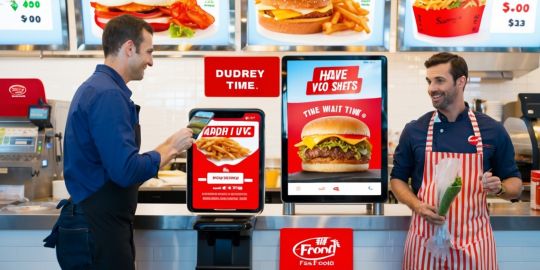
This article examines a recent trial by a major fast food chain to incorporate promotional material for other brands on the digital display once an order has been placed. The initiative seeks to capitalize on the brief period customers spend anticipating their meals.
The company is piloting a system in a number of its U.S. restaurants, using the wait time after placing an order to present additional content. With thousands of locations across the nation, this move is designed to generate extra revenue by utilizing screens that are normally used only for menu presentation.
A company representative explained that the pilot is intended to explore ways of delivering helpful and engaging information while keeping the dining experience as the primary focus. The content shown on the menu displays is considered valuable post-purchase material that could pique customers' interest.
Considering the daily patronage of millions across the country, the chain recognizes the potential for increased earnings despite concerns that some customers might find the new approach intrusive.
Industry analysts note that, in light of slower sales growth and increases in operational costs, the business is also focusing on upgrading its establishments and improving service quality. Enhancements to the dining environment and food offerings are part of a broader strategy to reinvigorate customer satisfaction.
Reactions among consumers have been varied. Some express disappointment, arguing that efforts should be directed toward Elevating the overall standard of the cuisine and services rather than turning to supplementary advertising. Other voices in online discussions have noted that the added promotional content is seen by some as a further extension of an already saturated advertising landscape.
- Some customers feel that the focus should shift to value and portion enhancements instead of introducing more promotional material in a setting where guests are waiting.
- Critics argue that, amid price hikes, reduced food sizes, and modifications to service convenience, the new advertisements could exacerbate customer dissatisfaction.
- There is a sentiment among certain patrons that the approach seems reminiscent of futuristic scenarios where advertising becomes unavoidable.
Currently, there is no verified evidence indicating that this advertising experiment will be implemented in all the chain's restaurants nationwide. The company appears to be cautious with this strategy as it balances potential revenue gains with customer perceptions of the overall experience.