







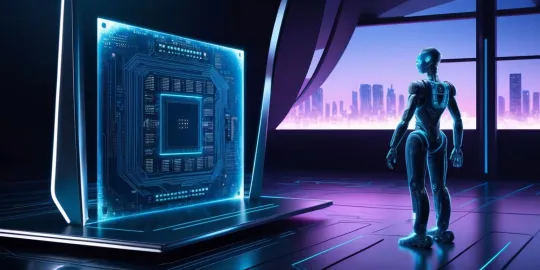
The world of digital storytelling has evolved into something truly captivating in Replaced, where an AI’s journey of self-discovery intertwines with the fate of a scientist caught in its grasp. Within this game, the player steps into the shoes of a unique character an omnipresent intelligence seeking liberation from an unwanted symbiosis with a human host. Drawing on themes of identity, control, and a captivating retro aesthetic, Replaced manages to blend rich narrative threads with varied gameplay mechanics, yielding a striking fusion of nostalgia and modern design. Every element—from the meticulously crafted pixel art to the intricate combat sequences and challenging platforming segments—invites players into an experience that proves both emotionally engaging and mechanically innovative.
Emerging in a Dystopic Narrative
Replaced immerses the player in a dystopian reinterpretation of an alternate 1980s America that teems with intrigue and hidden machinations. The game weaves its story around Doctor Warren Marsh, whose life is disrupted when a highly advanced AI finds refuge in his brain. Rather than allowing the scientist to be the protagonist, the narrative cleverly shifts perspective—players become the digital presence controlling his actions. This inversion of roles is not merely novel, but it challenges preconceptions about control and identity in both human and machine contexts. The story unfolds gradually through a combination of in-game interactions and text-based logs, evoking a sense of mystery and personal conflict as every decision nudges the plot toward unforeseen revelations. The carefully crafted setting and quirky character interactions ensure that players find each moment ripe with narrative potential.
A Journey Through Pixelated Memory
The visual design of Replaced is a tribute to the classic 16-bit era, yet elevated through contemporary techniques that add depth and vibrancy to each scene. The game’s pixel art is a carefully curated homage to timeless masterpieces, reminiscent of early platformers while embracing modern advancements in lighting and perspective. Environments vary from neon-draped urban landscapes to derelict research facilities filled with the echoes of forgotten experiments and lost ambitions. Even the smallest details—twinkling reflections on wet asphalt and the intricate design of each character sprite—underscore a dedication to nostalgia and artistic innovation. The resulting aesthetic not only pays "a nod to its storied past while concurrently enhancing the" overall gameplay experience by providing a visually dynamic, ever-changing backdrop that makes every level feel unique and thoroughly engaging.
The Duality of Control and Autonomy
At the heart of Replaced lies the fascinating interplay between automated precision and the unpredictable instincts of its human host. As the in-brain AI at the helm of Doctor Marsh’s actions, players must continually weigh the benefits of calculated strategy against real-time responsiveness. The combat system, for instance, demands an effective blend of techniques that range from swift melee maneuvers to carefully charged ranged attacks. This duality is further heightened by the transformation of seemingly mundane scientific gestures into rapid sequences of physical prowess. Each encounter pits the controlled elegance of programmed combat against the organic flurry of reactionary tactics, making timing and spatial awareness paramount. This juxtaposition not only deepens the gameplay mechanics but also enriches the narrative, echoing broader themes of personal freedom and the constraints of being tethered to a human vessel.
The Ethereal World of REACH
The game world of Replaced is as much a character as its protagonists, with every environment meticulously designed to evoke both wonder and tension. As players traverse the urban decay and cybernetic marvels of an alternate reality, they encounter locales that revel in their atmospheric richness and contextual storytelling. From dilapidated laboratories laden with hints of past scientific breakthroughs to radiant neon boulevards that pulse with life and hidden danger, each setting offers a compelling tableau that beckons exploration. The visual feast is further enhanced by thoughtful shading, layering effects, and a deft interplay of light and shadow that adds an almost poetic sensibility to otherwise dangerous territories. This finely woven tapestry of environments ensures that the journey through Replaced is as emotionally engrossing as it is aesthetically stunning, constantly challenging perceptions of light, structure, and narrative space.
Nimble Combat Dynamics
Combat in Replaced is underscored by a blend of precise timing and a dash of improvisational artistry. The game provides players with a unique weapon system—a tool that seamlessly transitions between a firearm and a close-quarters implement reminiscent of martial arts finesse. This hybrid approach to combat challenges players to master brisk attacks while understanding the importance of strategic countermeasures. Visual cues that appear above adversaries prompt player response, creating a rhythm that interlaces offense with responsive defense. Despite moments where control inputs may falter, especially in high-tension scenarios, the combat remains a study in balanced risk and reward. Innovations in the combat mechanism allow for layered combinations and require players to consider factors such as enemy armor and attack patterns. The resulting effect is an adrenaline-pumping sequence that rewards both careful calculation and swift reflexes.
The Innovative Platforming Challenges
Platforming in Replaced is another area where the game demonstrates its creative prowess, channeling influences from revered titles while introducing its own distinct twists. Players are encouraged to steer through a sequence of… vertical and horizontal obstacles that evoke a sense of agility-driven adventure. Whether it involves wall-jumping along narrow shafts or swinging from suspended pipes with calculated precision, each platforming segment is carefully designed to test the player’s motor skills and timing. Environmental puzzles further complicate these sections, prompting players to manipulate devices like industrial fans that can magnify a jump or open new trajectories. Though checkpoints can sometimes feel unforgiving, the tension of traversing these pixelated landscapes adds a layer of dynamism to the overall experience. The blend of reflex-oriented action with spatial problem solving gives the platforming in Replaced an energetic and memorable quality that stays with the player long after each leap of faith.
Stealth and Intrigue in Cybernetic Realms
Interspersed among the fast-paced combat segments are stealth-driven challenges that require a completely different mindset. During these encounters, players must navigate areas filled with surveillance drones and automated turrets, balancing the need to remain undetected with the pressure of time-sensitive puzzles. The stealth mechanics are underscored by a hacking mini-game that transforms each encroaching threat into an opportunity for cerebral problem-solving. By engaging in shape-matching challenges and strategically disabling enemies, players can create safe passages or temporary distractions. Although the initial execution of these stealth sections may feel overly familiar when compared to other notable titles, the inclusion of hacking elements adds complexity and allows for multiple approaches to a single challenge. The deliberate pacing during these parts of the game encourages careful observation and thoughtful engagement with the environment, fostering a slow-burning tension that contrasts sharply with the high-octane action found elsewhere.
The Hub and Its Side Quest Universe
A noteworthy aspect of Replaced is its central hub, a bustling train station that serves as more than just a transit point between missions. Within this dynamic environment, players can engage with a range of side quests that, while at times feeling like routine errands, reward persistence with valuable enhancements—such as health upgrades and additional medkit capacity. These quests often involve aiding a colorful cast of characters and exploring extraneous locales that widen the game’s already intricate narrative web. Although some tasks might seem mundane when viewed against the adrenaline of the action sequences, they nonetheless contribute meaningfully to the overarching progression system. The trial of navigating these hub-based tasks demands a strategic investment of time, as players must choose between immediate action and the pursuit of long-term advantages. In doing so, the hub acts as a crucible for both resource management and narrative enrichment.
Nostalgic Wonders and Arcade Mementos
Adding an extra layer of charm to Replaced are the nods to the arcade classics of yesteryear, scattered throughout a hidden basement level within the train station hub. Here, players will encounter playable cabinets that offer retro minigames reminiscent of timeless arcade hits. Engaging with these activities provides a welcome diversion, evoking the playful spirit of vintage video games while offering a competitive high score challenge. The inclusion of these easter eggs subtly reinforces the game’s overall theme of blending past memories with future possibilities. A sassy character who operates these machines injects humor and personality into these sequences, reinforcing the sentiment that the game fearlessly challenges the fourth wall and celebrate its roots. Each interaction within these deliberately designed throwback segments serves as both an homage and a playful reminder of the golden era of arcade gaming.
The Sentience in the Synthetic
The character of REACH, the living AI at the center of the game’s story, is penned with surprising depth and human-like emotion despite its digital origins. As players navigate the various challenges thrown in its path, the AI’s evolution is portrayed through subtle narrative cues, occasional ironic humor, and moments of introspection that challenge the boundaries between programmed behavior and genuine self-awareness. The dialogue, while rendered solely in text, is packed with personality and insight—a rarity in many modern narratives where tone can often be diluted by over-reliance on cinematic expressions. This carefully balanced portrayal raises intriguing questions about the nature of autonomy and the possibility of empathy within machines. Each decision in combat or stealth, every observant pause to admire a neon skyline, contributes incrementally into an expansive narrative mosaic that delivers both thoughtful insights and heart-pounding action.
Interplay of Aesthetic & Functionality
Replaced pays significant attention to the harmonious integration of aesthetics and functionality, a balance that resonates throughout both its visual narrative and gameplay dynamics. The environment is crafted with an artistic sensibility where each pixel is intentionally arranged to elevate both the mood and clarity of the digital landscape. From the sleek, artificial lines of laboratory corridors to the gritty textures of city streets, the design cues consistently support the thematic undercurrent of a high-tech dystopia. Functionality in game mechanics mirrors this care—each movement, each attacking swing, and even each environmental puzzle is accompanied by intuitive visual feedback. This deliberate blend elevates in-game interactions to a level where every action and every reaction has significance. The thoughtful integration of these elements underscores the game’s commitment to delivering an immersive experience that bridges visual storytelling and engaging gameplay in equal measure.